


Planning your first trip to South Africa?
You’re in for something special.
From iconic safaris and world-class wine to coastlines that rival anywhere in the world, South Africa has a way of completely exceeding expectations. But if it’s your first time in South Africa, it can also feel a little overwhelming. Where do you start? Is it safe? How do you get around?
Don’t worry, we’ve got you covered.
This guide breaks down everything you need to know before visiting South Africa for the first time, from where to go and how long to stay, to practical tips that will make your trip smoother from day one.
Let’s get into it.
Is South Africa Safe for Tourists?
Let’s address the big question first — because it’s probably already on your mind.
Yes, South Africa can be a safe and incredibly rewarding destination for tourists, but like many places around the world, it’s all about being aware and making smart choices.
The reality is that most travellers visit South Africa without any issues at all, especially when sticking to popular areas like Cape Town, the Garden Route, and safari regions such as Kruger National Park.
That said, there are a few simple precautions that go a long way:
- Avoid walking alone at night in unfamiliar areas
- Use Uber or a trusted transport instead of public taxis
- Keep valuables out of sight
- Stick to well-known neighbourhoods and attractions
If you approach your trip with a bit of common sense (as you would anywhere), you’ll likely find South Africa to be one of the most unforgettable destinations you’ve ever visited.
Best Time to Visit South Africa in 2026
South Africa is a year-round destination, but the best time to visit really depends on what kind of trip you’re planning.
If you’re heading to Cape Town, the summer months bring long sunny days and perfect beach weather. For safari, the cooler winter months are often best, as wildlife is easier to spot. And if you’re planning a bit of everything, the shoulder seasons tend to offer the best balance.
South Africa Seasons at a Glance
| Season | Months | What It’s Like | Best For |
|---|---|---|---|
| Summer | November to March | Hot, sunny, peak travel season in Cape Town | Beaches, outdoor activities |
| Autumn | March to May | Mild temperatures, fewer crowds | Wine regions, relaxed travel |
| Winter | May to September | Cooler, dry in safari regions | Wildlife spotting, safaris |
| Spring | September to November | Warmer weather, flowers in bloom | Garden Route, scenery, fewer crowds |
South Africa’s seasons can vary slightly depending on where you are in the country, but this should give you a solid starting point when planning your trip.

How Many Days Do You Need in South Africa?
South Africa is a big country, and trying to squeeze everything into one week can feel rushed.
Here’s a rough guide:
| Trip Length | What You Can Do |
| 7 days | Cape Town and nearby highlights |
| 10 days | Cape Town plus Garden Route or safari |
| 14 days | Cape Town, Garden Route, and safari |
If it’s your first time, 10–14 days gives you enough time to experience the variety South Africa is known for without feeling like you’re constantly on the move.

Best Places to Visit in South Africa in 2026
If you’re not sure where to start, these are the must-visit spots for a first trip:
Cape Town
Cape Town is usually top of the list, and once you arrive, it’s easy to see why.
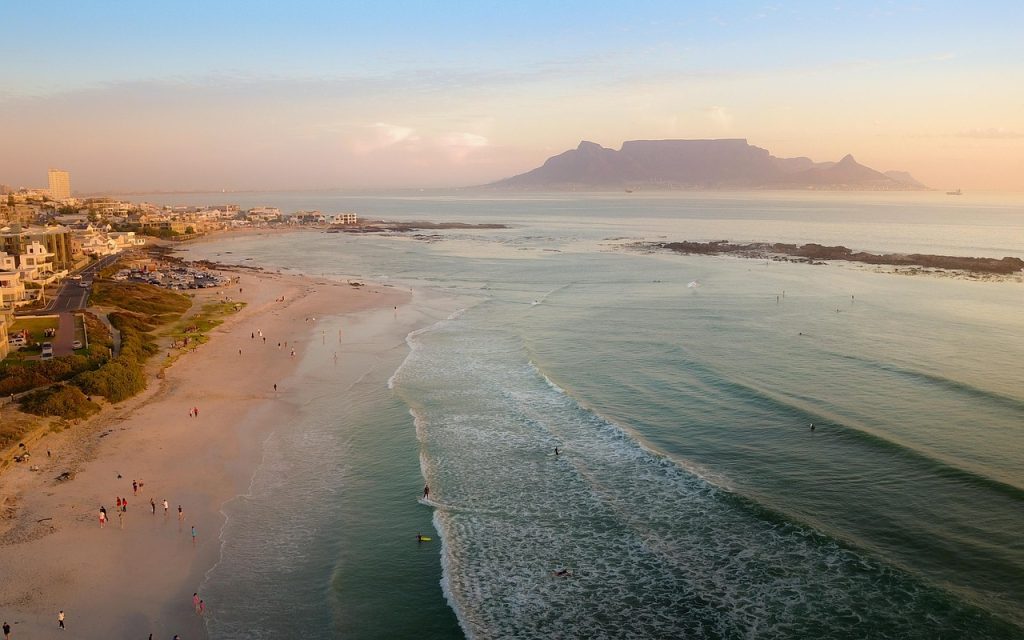
Start with Table Mountain. If the weather plays along, take the cable car up for panoramic views over the city, or hike up if you’re feeling a bit more adventurous. Either way, it’s one of those “worth it” moments.
Then there’s the coastline. Camps Bay and Clifton are the go-to beaches, with white sand, icy Atlantic water, and mountain backdrops that don’t look quite real. If you’re after something a little different, head to Boulders Beach to see the penguins or take a drive along Chapman’s Peak, which is easily one of the most scenic routes in the country.
Food-wise, Cape Town doesn’t disappoint. From casual brunch spots to world-class restaurants, you’re spoilt for choice. Add in a day trip to the Cape Winelands, Stellenbosch and Franschhoek are the favourites, and you’ve got the perfect mix of city, nature, and a bit of indulgence.
Explore our full guide to Cape Town
Kruger National Park
If a safari is on your bucket list, Kruger National Park is one of the best places to experience it for the first time.
This is where things feel a little surreal. One minute you’re driving along a quiet road, the next you’re watching a herd of elephants cross right in front of you. Lions resting in the shade, giraffes moving slowly through the trees, and if you’re lucky, even a leopard sighting.
You’ve got two main ways to do Kruger. A self-drive safari gives you flexibility and is surprisingly easy to navigate, while guided lodges offer a more hands-off, all-inclusive experience with expert trackers who know exactly where to look.
And then there are the moments you don’t expect. Waking up to the sound of wildlife outside your room, spotting animals from your deck, or yes, even the occasional cheeky monkey making an appearance where it probably shouldn’t.
It’s one of those experiences that’s hard to fully explain until you’ve done it.
Explore our full guide to the Kruger National Park
The Garden Route
If you want to see a completely different side of South Africa, the Garden Route is the way to do it.
This is a road trip that’s less about rushing from A to B and more about everything in between. Think dramatic coastal views, small towns, forest walks, and plenty of places to stop along the way.
Knysna is a popular base, known for its lagoon and relaxed feel, while Plettenberg Bay is great if you’re after beaches and a bit of wildlife. You can also stop at places like Tsitsikamma National Park for suspension bridge walks and ocean views that are well worth the detour.
The best part is the flexibility. You can take it slow, stop when something catches your eye, and shape the route around what you enjoy most.
Explore our full guide to the Garden Route
Johannesburg
Johannesburg is often seen as more of a stopover, but it’s worth giving it a bit of your time.
This is where you get a deeper understanding of South Africa’s history and culture. The Apartheid Museum is a must-visit and gives important context to the country you’re travelling through. If you have time, a visit to Soweto offers further insight, along with a chance to experience a different side of the city.
It’s also a great place to start or end your trip, especially if you’re heading on safari. With good restaurants, lively neighbourhoods, and easy connections to the rest of the country, it’s more than just a gateway.

Getting Around South Africa
Getting around South Africa is actually much easier than most first-time visitors expect.
That said, distances can be bigger than they look on a map, so a bit of planning goes a long way. The best way to get around will depend on your route, how much time you have, and how comfortable you are driving.
Here’s a breakdown of your main options.
Car Rental
If you’re planning to explore places like Cape Town or drive the Garden Route, renting a car is by far the best option.
It gives you the freedom to move at your own pace, stop when you want, and reach places that aren’t always accessible by public transport.
Driving in South Africa is generally straightforward. Roads are well-maintained, signage is clear, and everything is in English. Just keep in mind that driving is on the left-hand side.
A few things to know before you go:
| Tip | What to Know |
| Driving side | Left-hand side of the road |
| Road conditions | Good on main routes |
| Fuel stations | Easy to find on major routes |
| Safety | Avoid driving at night in unfamiliar areas |
If you’re sticking to popular routes like Cape Town and the Garden Route, driving is not only manageable, it’s part of the experience.
Domestic Flights
If you’re travelling between major destinations, flying will save you a lot of time.
For example, travelling from Cape Town to the Kruger area or Johannesburg by road can take well over a day, while a flight takes around two to three hours.
South Africa has a good network of domestic flights, with regular routes between:
- Cape Town
- Johannesburg
- Durban
- Kruger area airports
If you’re short on time, this is the easiest way to cover longer distances without cutting into your trip.

Uber and Local Transport
In major cities like Cape Town and Johannesburg, Uber is widely used and generally reliable.
It’s a good option for getting around without needing to drive, especially for short distances or evenings out.
When it comes to local taxis, it’s best to stick to:
- Uber
- Hotel-arranged transport
- Reputable transfer services
Minibus taxis are commonly used by locals, but they’re not recommended for first-time visitors.
Guided Transfers and Tours
If you’d prefer not to drive at all, guided transfers and tours are a great alternative.
This works especially well for:
- Airport transfers
- Day trips
- Safari travel
Many tour providers offer door-to-door services, which can take the stress out of planning and navigating.
What’s the Best Way to Get Around?
For most first-time visitors, a mix of transport options works best.
| Route | Best Option |
| Cape Town and surrounds | Car rental or Uber |
| Garden Route | Car rental |
| Cape Town to Kruger | Flight |
| Safari areas | Lodge transfers or guided transport |
If you’re comfortable driving, it will give you the most flexibility. If not, combining flights with local transport is an easy and reliable alternative.
Final Thoughts on Getting Around
Getting around South Africa might feel like a big part of the planning process, but once you’re there, it’s surprisingly straightforward.
With a mix of driving, short flights, and the occasional Uber, you’ll be able to cover a lot of ground without too much hassle.
Plan your route in advance, allow a bit of extra time for travel days, and you’ll be set up for a smooth trip.

Where to Stay in South Africa for First-Time Visitors
One of the best things about travelling in South Africa is the range of accommodation available.
Whether you’re after a boutique hotel in the city, a beachfront apartment, or a luxury safari lodge in the middle of nowhere, there’s something for every type of trip and budget.
If it’s your first time visiting, where you stay can really shape your experience, so it’s worth choosing areas that are convenient, safe, and close to the things you actually want to see.
Where to Stay in Cape Town
Cape Town has a few key areas that work particularly well for first-time visitors.
| Area | Best For | What to Expect |
|---|---|---|
| City Bowl | First-time visitors | Central location, close to restaurants and attractions |
| V&A Waterfront | Convenience and safety | Walkable, secure, close to shops and tours |
| Camps Bay | Beach stays | Ocean views, relaxed feel, great restaurants |
| Sea Point | Balance of value and location | More affordable, promenade, easy access to city |
The City Bowl is usually the easiest base if you want to be close to everything, while Camps Bay is ideal if you’re looking for a more scenic, beach-focused stay.
Where to Stay for a Safari
Safari accommodation is a completely different experience, and it’s often one of the highlights of a trip to South Africa.
You’ll generally choose between staying inside a national park like Kruger or in a private game reserve.
| Type | Best For | What to Expect |
|---|---|---|
| Kruger rest camps | Budget and self-drive | Simple accommodation, freedom to explore |
| Private lodges | Comfort and guided experience | All-inclusive, game drives included |
| Luxury lodges | High-end experience | Exclusive stays, premium service, fewer crowds |
If it’s your first safari, a lodge stay is usually the easiest option. Everything is organised for you, including game drives, meals, and transfers, which makes the whole experience feel seamless.
Where to Stay Along the Garden Route
The Garden Route is all about the journey, so you’ll likely stay in a couple of different places along the way.
| Area | Best For | What to Expect |
|---|---|---|
| Knysna | Central base | Lagoon views, relaxed atmosphere |
| Plettenberg Bay | Beaches and wildlife | Coastal town, great for nature and ocean views |
| Wilderness | Nature and quiet stays | Forest surroundings, slower pace |
Knysna works well as a base if you don’t want to move around too much, while Plettenberg Bay is a good option if you’re after beaches and a bit more activity.
Where to Stay in Johannesburg
Johannesburg is usually a shorter stop, so location matters more than anything.
| Area | Best For | What to Expect |
|---|---|---|
| Sandton | First-time visitors | Safe, modern, close to malls and restaurants |
| Rosebank | Culture and convenience | Trendy, walkable, good transport links |
| Melrose | Quieter stays | Upscale, relaxed, boutique feel |
Sandton is the most popular choice, especially if it’s your first time, as it’s well-connected and easy to navigate.
Types of Accommodation in South Africa
If you’re not sure what kind of stay to go for, here’s a quick breakdown.
| Type | What It’s Like | Best For |
|---|---|---|
| Hotels | Standard and reliable | City stays |
| Guesthouses | Smaller and more personal | Local feel |
| Self-catering | Apartments or villas | Flexibility and longer stays |
| Safari lodges | All-inclusive nature stays | Wildlife experiences |
Guesthouses are especially popular in South Africa and are often great value for money, with a more personal touch than larger hotels.
Final Thoughts on Where to Stay
Where you stay in South Africa can make a big difference to how your trip feels.
If you’re visiting for the first time, focus on locations that make getting around easy and give you access to the main highlights without too much effort.
A mix usually works best. A few nights in the city, some time on the coast, and a couple of nights on safari gives you a well-rounded experience and lets you see just how diverse South Africa really is.

A Simple South Africa Itinerary for First-Time Visitors in 2026
If you’re not sure how to piece everything together, you’re not alone. South Africa has a lot to offer, and planning your route can feel like the hardest part.
For a first trip, the goal is to experience a bit of everything without rushing. That usually means a mix of city, coastline, and safari.
Here’s a simple itinerary that works well for most first-time visitors.
10-Day South Africa Itinerary
| Days | Location | What to Do |
|---|---|---|
| 1 to 4 | Cape Town | Table Mountain, Cape Peninsula, beaches, Winelands |
| 5 to 7 | Garden Route | Scenic drive, Knysna, Plettenberg Bay, nature stops |
| 8 to 10 | Safari | Kruger or private reserve, game drives, lodge stay |
Start in Cape Town, where you can ease into the trip with a mix of sightseeing, good food, and a few day trips. From there, the Garden Route gives you a completely different pace, with smaller towns and scenic drives.
Finish with a safari experience, which is often the highlight of the trip.
7-Day Itinerary (Shorter Trip)
If you’re tight on time, it’s best to focus on one or two areas rather than trying to do everything.
| Days | Location | What to Do |
|---|---|---|
| 1 to 4 | Cape Town | Main highlights and day trips |
| 5 to 7 | Safari or Winelands | Quick safari or slower-paced wine region stay |
This works well if you want a more relaxed trip without too much travel.
14-Day Itinerary (Ideal First Trip)
If you have the time, this is where South Africa really comes into its own.
| Days | Location | What to Do |
|---|---|---|
| 1 to 5 | Cape Town | Explore city, beaches, Winelands |
| 6 to 9 | Garden Route | Road trip with multiple stops |
| 10 to 14 | Safari | Kruger or private reserve with more time for game drives |
This gives you the space to travel at a more comfortable pace and properly enjoy each stop.
A Quick Planning Tip
Try not to pack too much into your itinerary.
Travel distances can be longer than expected, and part of what makes South Africa special is slowing down and enjoying where you are, rather than constantly moving on to the next place.
What to Pack for South Africa
Packing for South Africa depends a lot on your itinerary, but there are a few essentials that will make your trip much easier.
The weather can vary between regions, and even within the same day, so it’s best to be prepared for a bit of everything.
Essentials to Pack
| Item | Why You Need It |
|---|---|
| Comfortable walking shoes | You’ll be exploring a lot |
| Layers | Mornings and evenings can be cooler |
| Sunscreen and hat | The sun is strong year-round |
| Power adapter (Type M) | For charging your devices |
| Reusable water bottle | Useful for day trips and drives |
What to Pack for Safari
If you’re heading on safari, a few extra considerations come into play.
| Item | Why It Matters |
|---|---|
| Neutral clothing | Helps you blend into surroundings |
| Light jacket | Early morning game drives can be cold |
| Binoculars | Great for spotting wildlife at a distance |
| Closed shoes | Practical for bush walks and lodges |
You don’t need to overthink it, but sticking to simple, practical items will make a big difference.
A Quick Note on Luggage
If you’re flying to a safari lodge, especially smaller airstrips, there may be luggage restrictions.
Soft bags are usually preferred over hard suitcases, so it’s worth checking in advance to avoid any last-minute surprises.
Final Tips for First-Time Visitors
Before you go, there are a few small things that can make your trip smoother and help you avoid common mistakes.
Practical Travel Tips
| Tip | What to Know |
|---|---|
| Currency | South African Rand (ZAR) |
| Tipping | 10 to 15 percent in restaurants is standard |
| SIM cards | Easy to buy at the airport or local shops |
| Load shedding | Power outages do happen, most hotels have backups |
| Water | Tap water is generally safe in major cities |
A Few Things to Keep in Mind
South Africa is incredibly diverse, and no two parts of the country feel the same. What works in Cape Town might be completely different in a safari setting or along the Garden Route.
Plan ahead where it makes sense, especially for accommodation and transport, but leave a bit of room for flexibility. Some of the best parts of a trip here are the ones you don’t plan too tightly.

Final Thoughts on First time in South Africa
South Africa is one of those destinations that stays with you long after you leave.
It’s not just about ticking off places, it’s about the mix of experiences. One day you’re in a city, the next you’re on the coast, and then suddenly you’re watching wildlife out in the bush.
Take your time, plan smart, and enjoy every moment of it.
Frequently Asked Questions About Visiting South Africa
Is South Africa safe for first-time visitors?
Yes, South Africa can be safe for first-time visitors if you take standard precautions. Stick to well-known areas, avoid walking alone at night, and use trusted transport like Uber or hotel-arranged transfers.
Most travellers visit without any issues, especially in popular destinations like Cape Town, the Garden Route, and safari regions.
Do you need a car in South Africa?
You don’t always need a car, but it depends on your itinerary. In cities like Cape Town, you can get around using Uber, but for road trips like the Garden Route, renting a car is the best option.
For longer distances, domestic flights are often the easiest and most time-efficient choice.
How many days do you need in South Africa?
Most first-time visitors should plan for at least 10 to 14 days. This allows enough time to explore Cape Town, experience a safari, and possibly include the Garden Route.
If you have less time, a 7-day trip focusing on one or two areas can still work well.
What is the best time to visit South Africa?
The best time to visit South Africa depends on what you want to do. Summer is ideal for Cape Town and beaches, while winter is best for safari due to better wildlife visibility.
For a mix of experiences, the shoulder seasons offer a good balance of weather and fewer crowds.
Is South Africa expensive to visit?
South Africa can be more affordable than many other long-haul destinations, especially when it comes to food, accommodation, and experiences.
Costs vary depending on your travel style, with options ranging from budget-friendly stays to luxury safari lodges.
Is tap water safe to drink in South Africa?
Yes, tap water is generally safe to drink in major cities and most tourist areas. Many locals and travellers drink it without any issues.
If you’re unsure in more remote areas, bottled water is widely available.
What is the best safari for first-time visitors?
Kruger National Park is one of the best safari destinations for first-time visitors. It offers a range of options, from self-drive safaris to guided luxury lodges.
Private game reserves near Kruger are also a great option if you’re looking for a more all-inclusive and guided experience.
What should I pack for South Africa?
Pack light, comfortable clothing, including layers for cooler mornings and evenings. Don’t forget sunscreen, a hat, and comfortable walking shoes.
If you’re going on safari, neutral-coloured clothing and a light jacket for early game drives are recommended.